
We tend to think racial identity is biological, self-evident, and fixed, but in reality, it is ever-evolving and shaped by the world around us, through what we are exposed to, included in, and allowed to belong to.
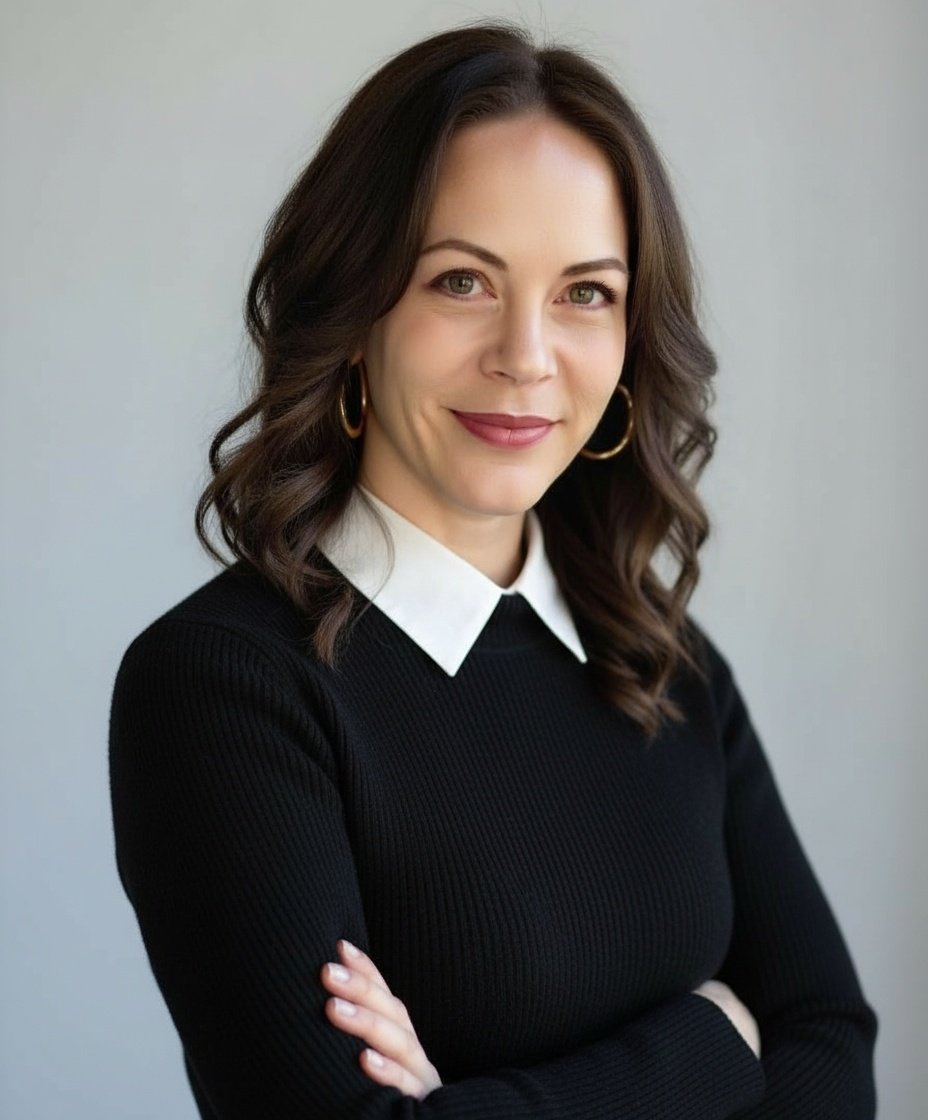
MELODY PLATT
Melody Platt is a PhD candidate in social work at the University of Alabama and a Licensed Independent Clinical Social Worker. Her scholarship focuses on structural inequality, including residential segregation, and the ways social and physical environments shape lived experience, exploring how systems of race, place, and access influence opportunity and belonging.
Melody's interest in this work is informed in part by her own experience with identity. Adopted as a child and later reconnecting with her biological family, she has navigated questions of identity that do not always align neatly with appearance, ancestry, or social categories. These experiences have contributed to her ongoing interest in how identity is shaped, understood, and interpreted across different contexts.
Melody has taught courses on social work practice, anti-oppression, and social justice at the university level, and brings experience from across a diverse range of community settings, including prevention-focused community mental health, food insecurity among older adults, and mental health counseling. Beyond her academic and clinical work, she remains actively involved in volunteer leadership in her local community, demonstrating a commitment to equity and service that is practiced in everyday life.
Through her research, teaching, and practice, she continues to examine how broader social structures shape individual experience, and why the questions of identity and belonging are rarely as simple as they appear.